
Bonus Chapter: The Smart Buyer’s Guide to Hard & Custom Coolers in the UK and EU
You have read about the market trends, the regulations, and the technology. Now let’s get practical. This section answers the questions that actual buyers ask: How do I choose? Where do I save money? Where should I invest? And how do I make my cooler last a decade?
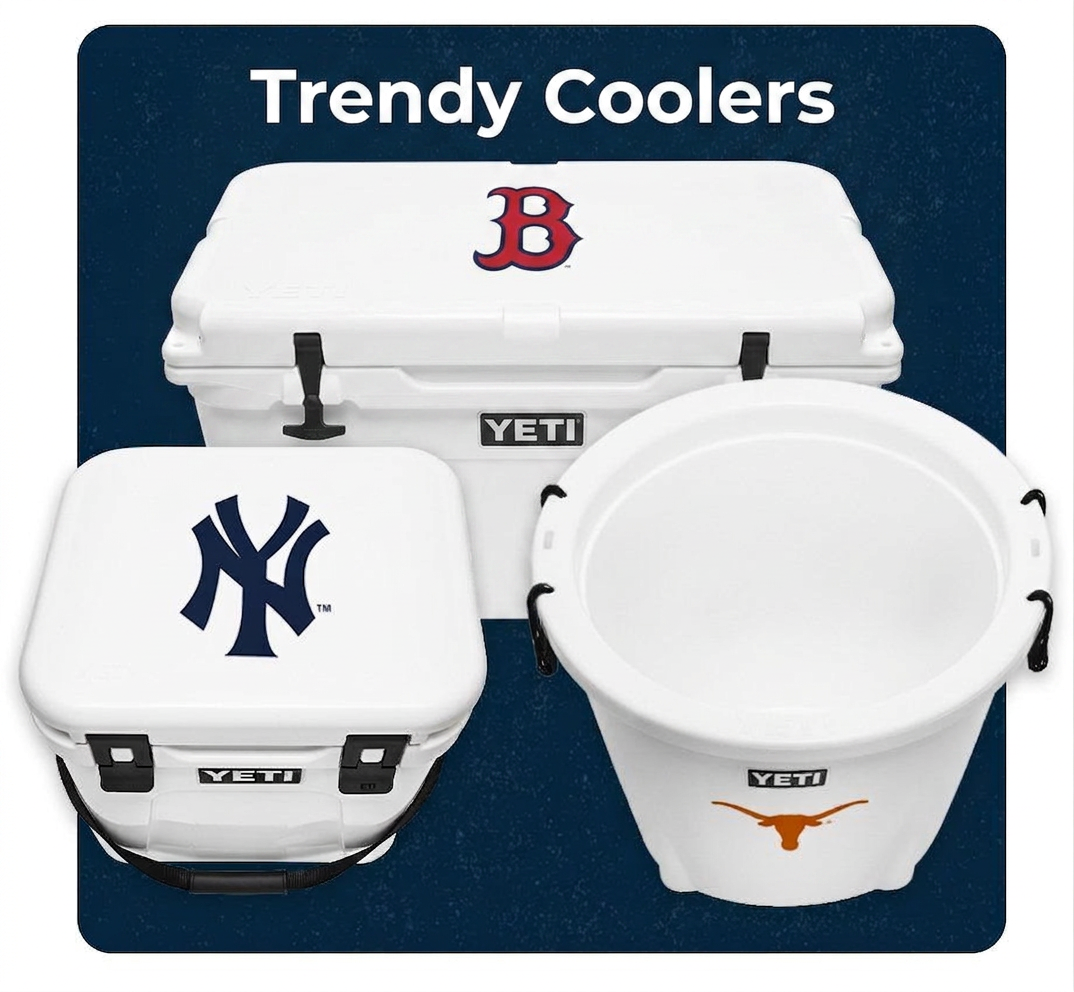
10. The 5-Question Test: Finding Your Perfect Cooler
Before you spend a single euro or pound, answer these five questions honestly. Your answers will narrow your options by 80%.
Question 1: How long do you need cold?
- Less than 6 hours → A basic insulated bag or cheap hard cooler is fine. Save your money.
- 6 to 24 hours → Mid-range soft cooler or entry-level hard cooler. Look for 1.5–2cm of insulation.
- 24 to 72 hours → Premium soft cooler (thick walls) or standard hard cooler. Expect 3–5cm insulation.
- 3 to 7+ days → Rotomolded hard cooler only. No exceptions. Look for 5cm+ walls and a freezer-style gasket seal.
Question 2: How will you carry it?
- By hand for under 100 metres → Any cooler works.
- By hand for over 100 metres → Soft cooler with shoulder strap or wheels on a hard cooler.
- In a backpack → Soft cooler only. Hard coolers are too heavy and awkward.
- In a vehicle (car, van, boat) → Hard cooler is ideal. Weight is less of a concern.
- On a roof rack or truck bed → Hard cooler with tie-down slots and UV-resistant shell.
Question 3: How many people?
- 1 person → 10–15 litres (6–12 cans)
- 2 people, weekend → 15–25 litres (12–24 cans)
- Family of 4, weekend → 25–40 litres (24–48 cans)
- Group of 6+, multi-day → 50+ litres (48+ cans) or multiple coolers
Question 4: Will you brand it?
- No branding needed → Buy from any retailer. Focus on performance and price.
- Small run (10–50 units) → Look for suppliers with digital printing or laser engraving. Minimums matter.
- Large run (100+ units) → Screen printing or heat transfer becomes cost-effective. Ask for Pantone colour matching.
- Premium corporate gift (20+ units) → Consider laser-engraved hard coolers. They look more premium than printed soft bags.
Question 5: What is your real budget?
| Budget (€/£) | What you get | Best for |
|---|---|---|
| Under 30 | Basic insulated bag, thin walls, 2–6 hour retention | Lunch, short trips |
| 30–80 | Decent soft cooler or entry hard cooler, 6–24 hour retention | Day trips, beach |
| 80–200 | Quality soft cooler or mid-range hard cooler, 24–72 hour retention | Weekend camping |
| 200–400 | Premium rotomolded hard cooler, 3–7 day retention | Serious outdoor use, commercial |
| 400+ | Professional grade, smart features, lifetime warranty | Commercial fleet, medical, extreme conditions |
The sweet spot for most UK/EU consumers: £80–150 for a weekend-warrior hard cooler.
The sweet spot for corporate custom orders: £40–80 per unit for branded soft coolers (giveaways) or £150–250 for branded hard coolers (premium client gifts).
11. The Maintenance Manual: Making Your Cooler Last 10+ Years
A quality hard cooler is a lifetime investment if you treat it right. Here is how.
After Every Use
- Drain immediately. Standing water breeds mould and degrades seals.
- Rinse with mild soap and water. Never use bleach, solvents, or abrasive scrubbers—they damage the plastic and remove UV protection.
- Dry completely with the lid open. Propped open with a paper towel or stick allows airflow. A closed wet cooler becomes a science experiment.
- Wipe the gasket (rubber seal). This is the most common failure point. A clean seal seals. A dirty seal leaks cold air.
Monthly (or before big trips)
- Inspect latches and hinges. Rotomolded hinges should move smoothly without play. If they feel loose, check for cracks.
- Test the drain plug seal. Fill the cooler with water and tilt it. Any drip? Replace the gasket or plug.
- Deodorise if needed: Mix baking soda with water, scrub, leave for 2 hours, rinse. For stubborn smells: white vinegar solution (1:3 with water), leave overnight.
Yearly (deep maintenance)
- UV inspection: Hard coolers left in sun fade and become brittle. If the surface feels chalky or shows fine cracks, apply a UV protectant spray designed for polyethylene.
- Gasket replacement: Most premium brands sell replacement gaskets for £10–20. Replace every 2–3 years or when the seal feels hard and compressed.
- Latch tension check: Some latches are adjustable. A loose latch leaks cold air. Tighten or replace.
What kills coolers (avoid these)
| Mistake | Consequence |
|---|---|
| Leaving in direct sun for weeks | UV degradation, brittle plastic, warping |
| Using as a seat for heavy adults (cheap models) | Lid cracks, hinge failure |
| Draining through the plug on grass | Mud blocks the plug, water trapped inside |
| Storing with the lid closed | Mould, mildew, permanent odour |
| Using ice packs with sharp corners | Punctures soft cooler liners |
12. Regional Deep Dive: UK vs. Germany vs. France vs. Southern Europe
The UK and EU is not one market. Cooling needs vary dramatically by region.
United Kingdom
- Climate challenge: Mild but unpredictable. Rain is a factor. Coolers need weather resistance more than extreme heat performance.
- Use case dominance: Staycations, van life, Premier League tailgating, festivals (Glastonbury, Reading, Isle of Wight).
- Consumer behaviour: High willingness to pay for premium brands. Strong e-commerce adoption. Growing interest in custom coolers for corporate gifting.
- Market size: Fastest-growing in Europe. Projected £380 million by 2033.
- Best cooler type: Mid-size hard cooler (25–40L) with robust latches and UV resistance (yes, even with UK sun).
Germany & Austria
- Climate challenge: Warm summers (30°C+), cold winters. Coolers need all-season durability.
- Use case dominance: Camping (Germans are Europe’s most avid campers), beer gardens, autobahn road trips, Balcony gardening storage.
- Consumer behaviour: Value-engineered. Germans want performance and specs, not just brand names. Strong preference for local or European brands over US imports.
- Regulatory awareness: Very high. Ecodesign compliance and material safety are purchase factors.
- Best cooler type: Large hard cooler (40–60L) with wheels. German campsites are family-oriented, and volume matters.
France
- Climate challenge: Mediterranean south (hot), Atlantic west (mild), Alpine east (cold). Versatility required.
- Use case dominance: Picnics (a national pastime), beach days (Côte d’Azur, Brittany), wine country tours, markets.
- Consumer behaviour: Aesthetic matters. Coolers in France are often left visible at picnics—design and colour options are purchase drivers. Custom coolers popular for wine and cheese brands.
- Best cooler type: Medium soft cooler (15–25L) that looks good. Hard coolers for serious campers only.
Spain, Italy, Greece (Southern Europe)
- Climate challenge: Extreme heat (35–45°C in summer). Ice retention is the hardest test.
- Use case dominance: Beach days, boat trips, terrace entertaining, festival season.
- Consumer behaviour: Price-sensitive but brand-loyal once trust is established. High demand for soft coolers due to walking access to beaches.
- Best cooler type: Premium hard cooler with 5+ day ice retention for boat owners. Soft coolers with reflective exteriors for beach walkers.
- Special note: Ice is expensive in some Mediterranean regions. A cooler that holds ice for 4+ days pays for itself quickly.
Scandinavia
- Climate challenge: Cool summers but long daylight hours (midnight sun means 24-hour use). Winter cooling needs for ice fishing.
- Use case dominance: Fishing, hunting, cabin trips, boating.
- Consumer behaviour: Extreme durability demanded. Bear-resistant claims actually matter. Willing to pay premium for proven performance.
- Best cooler type: Extra-large hard cooler (60L+) with rope handles (gloves-friendly) and certified impact resistance.
13. Custom Cooler Case Studies: Real Brands Doing It Right
Case Study 1: Craft Brewery, Yorkshire, UK
The brand: A regional ale brewery attending 12 beer festivals per year.
The problem: Generic coolers at festivals looked unprofessional. Staff wasted time fetching drinks from a central fridge.
The solution: 30 custom-printed soft coolers (20L capacity) with the brewery logo and “Drink Fresh” tagline. Each staff member received one at the start of each festival.
The result: Staff efficiency improved (drinks always at hand). Festival-goers photographed the coolers and posted on social media. The brewery reported a 15% increase in bar sales at festivals. The coolers now serve as staff retention gifts in the off-season.
Investment: £1,200 (30 units at £40 each).
ROI: Recouped within three festivals.
Case Study 2: Corporate Real Estate Firm, Berlin, Germany
The brand: A luxury property developer closing high-value deals (€500k+ apartments).
The problem: Standard closing gifts (wine, flowers, vouchers) were forgettable and did not reinforce the brand’s “premium outdoor living” positioning.
The solution: 50 custom-engraved hard coolers (35L, rotomolded) with the company logo and the phrase “Your new home base” on the lid. Delivered with a starter pack of local craft beer and premium sausages.
The result: Clients photographed the coolers in their holiday homes and gardens. The developer received five direct referrals from cooler recipients. Two years later, agents report that the coolers remain in visible use.
Investment: €12,500 (50 units at €250 each).
ROI: One referral deal covered the entire cost ten times over.
Case Study 3: Outdoor Event Organiser, Barcelona, Spain
The brand: A company running 10 beach club events per summer (500–2,000 attendees each).
The problem: VIP bottle service used disposable plastic buckets with ice. Low perceived value. High waste.
The solution: 200 custom-branded hard coolers (15L, small format) used as VIP “bottle keep” units. Each VIP table received a cooler with their bottle and branded glasses.
The result: VIP ticket sales increased 22% after the cooler introduction. Customers kept the coolers as souvenirs. Event waste decreased significantly. The coolers now serve as reusable marketing for next year’s events.
Investment: €16,000 (200 units at €80 each).
ROI: Recouped in one season through ticket uplift and reduced waste disposal costs.
14. Future Trends: What the UK and EU Cooler Market Looks Like in 2030
The market is not static. Here is what is coming.
Trend 1: The Death of Single-Use Coolers
Several EU member states have already restricted styrofoam. By 2028, expect a full ban on single-use cooling boxes across the EU. The UK is likely to follow with similar legislation. This creates massive opportunity for reusable hard and soft coolers.
What to do now: If you sell or give away coolers, ensure they are designed for 50+ uses. Single-use is a dying market.
Trend 2: Cooler-as-a-Service (CaaS)
Subscription and rental models are emerging. Imagine renting a fleet of branded coolers for a festival weekend or a corporate retreat. No storage. No maintenance. Just delivery, use, and pickup.
Early movers: Event rental companies in the Netherlands and Germany are piloting this. Expect it to spread across the UK by 2027.
Trend 3: Biodegradable Insulation
Petroleum foam is on the way out. Several material science companies are developing mycelium-based (mushroom) insulation and recycled denim batting that matches or exceeds foam performance.
Watch for: First commercial products in Scandinavia by late 2026.
Trend 4: Integrated Solar Cooling
Solar panels on cooler lids are not new, but they have been gimmicks. The next generation uses thin-film flexible solar to trickle-charge a battery that powers a small thermoelectric cooler. Result: indefinite cooling in sunny climates.
Viable for: Mediterranean beach clubs, fishing boats, off-grid cabins.
Trend 5: Circular Cooler Programs
Brands will begin offering trade-in programs for old coolers. Return your cracked 10-year-old cooler, get a discount on a new one. The old cooler is recycled into new shells or other products.
Why this matters for custom coolers: A branded cooler that can be returned and recycled keeps your logo in circulation while supporting your sustainability claims.
15. Final Checklist: Before You Buy
Print this checklist. Use it for every cooler purchase, whether personal or business.
For Personal Purchase:
- Does the ice retention meet my actual trip length (not my ideal trip length)?
- Can I physically carry this cooler when full?
- Does it fit in my car boot (measured, not guessed)?
- Are replacement parts (gaskets, latches, drain plugs) available?
- Is the UV rating appropriate for my climate?
- Does the warranty cover rotomolded defects for at least 5 years?
For Business / Custom Order:
- Does the supplier provide CE/UKCA documentation for electric models?
- Have I seen a physical sample before ordering production?
- Is the printing method appropriate for the material (digital transfer for soft, engraving for hard)?
- What is the minimum order quantity (MOQ)? Does it match my needs?
- What is the lead time? Add 2 weeks for shipping and customs if importing.
- Does the supplier offer Pantone colour matching for brand accuracy?
- Are the materials sustainable? Can I make a credible claim?
Conclusion: The Cold Truth
The UK and EU cooler market has grown up. The cheap, leaky, single-use options are fading. In their place stand rugged hard coolers that keep ice for nearly a week and custom-branded coolers that turn customers into walking billboards.
Whether you are a weekend camper in the Lake District, a brand manager sourcing promotional merchandise for a Munich trade show, or an event organiser in Barcelona, the right cooler is out there. It costs more upfront than the cheap option. But it saves money, reduces waste, and performs when you need it most.
Buy once. Buy well. Keep your cool.