
The days of single-use Styrofoam coolers are numbered. Across the UK and EU, regulators and consumers are demanding better. The European Green Deal and the EU’s Circular Economy Action Plan are driving manufacturers toward sustainable materials and production methods .
What does this mean for coolers? First, expect to see a surge in products made from GRS-certified recycled polyester and other post-consumer recycled materials . These aren’t just niche eco-products anymore—they’re becoming mainstream. Promotional cooler bags now routinely feature recycled fabrics, allowing brands to align their giveaways with sustainability commitments.
Second, the materials inside the cooler matter too. Traditional foam insulation is facing scrutiny, pushing manufacturers to explore plant-based foams, vacuum insulation panels, and other eco-friendly alternatives that don’t sacrifice performance .
For businesses purchasing custom coolers, this shift presents an opportunity. A cooler made from recycled materials isn’t just functional—it tells a story about your brand’s values. When a customer uses your branded cooler at a beach or park, they’re also broadcasting your commitment to the environment.
The UK’s Fastest-Growing Market: What’s Driving the Surge?
Among all European countries, the United Kingdom stands out as the fastest-growing cooler box market, projected to reach nearly $500 million by 2033 . Several factors explain this remarkable growth:
Van Life and Staycations — The pandemic-era boom in domestic travel never really faded. Britons have embraced “staycations,” campervan conversions, and weekend camping trips with enthusiasm that shows no sign of waning. A hard cooler that keeps food fresh for five days is essential equipment for a week in the Scottish Highlands or Cornwall.
Premier League Tailgating — While tailgating has long been an American tradition, British football fans have adopted their own version. Pre-match gatherings in car parks and pubs require portable cooling solutions that can handle crowds and keep drinks cold from morning until kickoff.
Festival Culture — The UK’s vibrant festival scene—from Glastonbury to Reading to countless smaller events—creates massive demand for coolers that can survive muddy fields and keep provisions fresh for multi-day events.
Strong E-commerce Penetration — British consumers are comfortable buying premium products online, and cooler manufacturers have responded with direct-to-consumer sales channels that make high-quality hard coolers more accessible than ever .
Capacity Matters: Choosing the Right Size for Your Needs
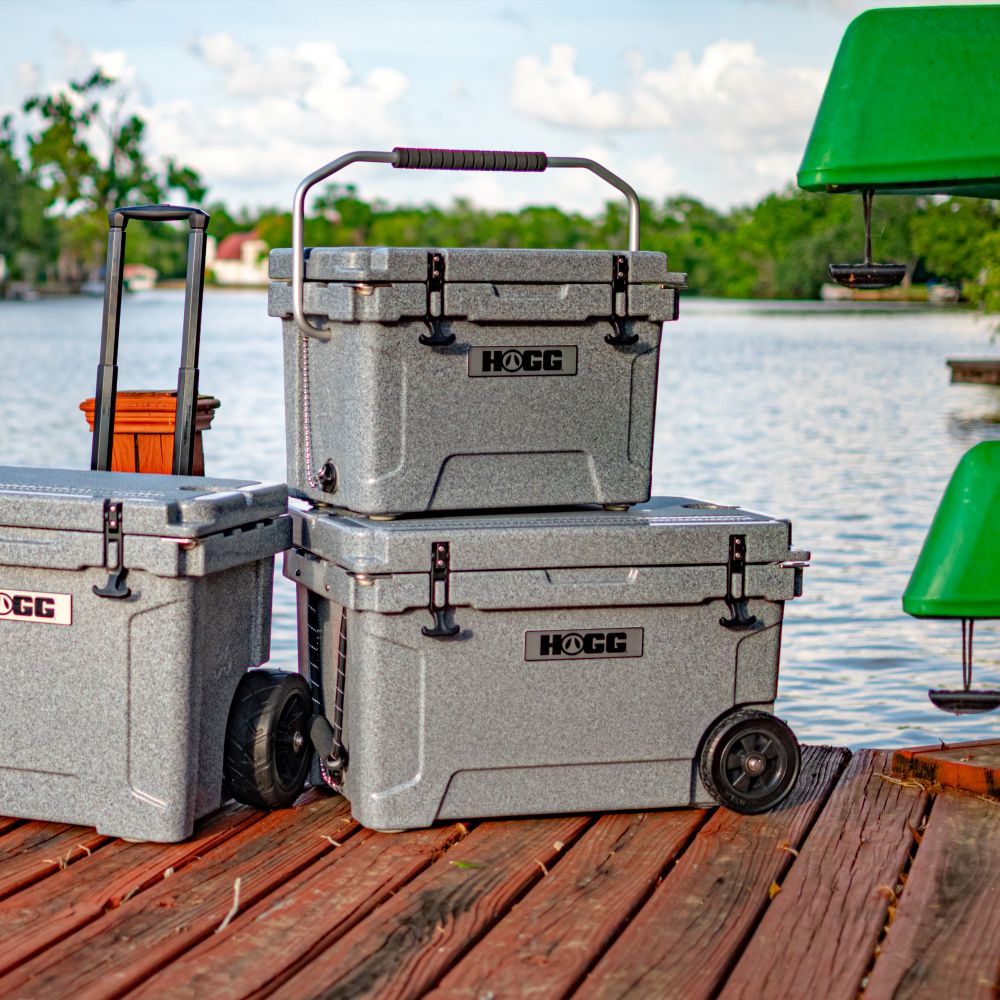
One size definitely does not fit all when it comes to coolers. The market segments capacity into three main tiers, each serving distinct use cases :
Personal Capacity (Up to 15 quarts) — These are your lunch boxes, day-trip companions, and six-can carriers. Perfect for a solo office worker, a couple at a picnic, or a festival-goer needing to keep a few drinks cold. Soft coolers dominate this segment due to their portability.
Mid Capacity (16–39 quarts) — The sweet spot for most households. These coolers can handle a family barbecue, a weekend camping trip, or a beach day with friends. They’re large enough to be useful but not so bulky that they’re difficult to carry or store. This segment sees competition between hard and soft coolers, with hard coolers offering better ice retention and soft coolers offering lighter weight.
Large Capacity (40–99 quarts and above) — These are serious coolers for serious applications: fishing charters, hunting trips, week-long overlanding adventures, and commercial use. Hard coolers absolutely dominate this space because soft materials simply can’t provide the structural integrity or insulation performance required. Some extra-large models exceed 100 quarts, designed for professional guides and extreme outdoor enthusiasts .
The Point-of-Sale Revolution: Display Coolers as Marketing Tools
Custom cooling isn’t limited to portable coolers for consumers. A growing trend across the UK and EU involves custom-branded display coolers for retail and hospitality environments .
German manufacturer Gastro-Cool has established a UK branch specifically to serve this market, delivering innovative and energy-efficient cooling solutions designed for the food and drink industry. Their focus on “tailored cooling concepts” and “ensuring your brand stands out at POS” (point of sale) reflects a broader truth: in competitive retail environments, a generic refrigerated display case is a missed opportunity.
Imagine walking into a convenience store and seeing a branded cooler for a local craft beer, complete with the brewery’s logo and colour scheme. That’s not just storage—that’s advertising that works 24/7. These units are typically professional-grade, energy-efficient, and designed to meet strict EU ecodesign requirements while maximizing brand visibility .
Beyond Beverages: Medical and Commercial Applications
While most consumers think of coolers for picnics and parties, the market extends far beyond recreation. The medical and transport sector represents a significant and growing application for high-performance cooling solutions .
Pharmaceutical logistics, blood transport, and vaccine distribution all require reliable temperature control. In these contexts, a cooler failure isn’t an inconvenience—it’s a health risk. As a result, medical-grade coolers often feature:
- Precise temperature monitoring with digital displays and data logging
- Vacuum insulation panels for maximum thermal efficiency
- Durable, cleanable interiors that meet hygiene standards
- Compliance with strict regulations governing medical transport
The commercial sector similarly demands high-performance cooling for catering, fishing industry logistics, and event management. These applications drive innovation that eventually trickles down to consumer products .
Navigating Ecodesign Regulations: What Importers Need to Know
For businesses importing or manufacturing cooling products in the EU, understanding the regulatory landscape is crucial. The Ecodesign Directive (2009/125/EC) establishes requirements for energy-related products, including various cooling appliances .
Specifically, Regulation (EU) 2016/2281 covers cooling products with a rated cooling capacity not exceeding 2 MW, establishing requirements for:
- Energy efficiency minimums
- Material efficiency (recyclability, durability)
- Information requirements (labelling, documentation)
While these regulations primarily target larger commercial and industrial equipment, they signal the direction of travel for all cooling products. Consumer coolers aren’t directly regulated by these specific rules—yet. But manufacturers who ignore the trend toward efficiency and sustainability do so at their peril .
For custom cooler suppliers, compliance also means ensuring that promotional products meet relevant safety and materials standards. Certifications like BSCI (Business Social Compliance Initiative) are increasingly expected by corporate buyers who need to demonstrate ethical sourcing .
The Competitive Landscape: Who’s Who in Hard Coolers
The hard cooler market features a mix of American heritage brands and emerging European competitors. While the US brands—YETI, Coleman, Igloo, Pelican, and RTIC—dominate global market share, European consumers have unique preferences that create opportunities for local players .
YETI remains the aspirational leader, with premium pricing matched by premium performance and brand cachet. Their rotomolded coolers set the standard that others measure against. However, their US-centric distribution means European buyers often pay a premium for import.
Coleman offers the value alternative—reliable performance at accessible price points. Their coolers are widely available across UK and EU retailers, making them the default choice for many casual users.
European manufacturers are gaining ground by addressing local needs: smaller boot sizes that favour narrower cooler dimensions, compliance with EU sustainability standards as a selling point rather than a burden, and design aesthetics that appeal to European rather than American tastes.
For custom coolers specifically, the landscape includes specialized promotional merchandise suppliers like All in One Merchandise, offering short lead times (as little as 2 days) and low minimum order quantities that make custom branding accessible to small and medium businesses .
Smart Coolers: The Next Frontier
Technology is finally coming to the cooler market. While a cooler is fundamentally a simple device—insulation in a box—manufacturers are beginning to integrate smart features that add genuine value :
Bluetooth Temperature Monitoring — Open your app and see exactly how cold your cooler remains without lifting the lid. This isn’t a gimmick; it preserves cold air by reducing unnecessary openings and gives you confidence that your provisions are safe.
Battery-Powered Cooling — Thermoelectric coolers that plug into vehicle 12V outlets have existed for years, but advances in battery technology are enabling cordless operation. Imagine a cooler that actively cools (not just insulates) for hours on a single charge.
GPS Tracking — For commercial operators and serious outdoor enthusiasts, knowing where your expensive cooler is located provides peace of mind. Some premium models now include integrated tracking.
USB Charging Ports — A practical addition that turns your cooler into a campsite power hub, keeping phones and devices charged alongside your drinks.
These smart features remain concentrated at the premium end of the market, but as component costs fall, expect them to become increasingly common across mid-range products .
Conclusion: The Cooler as Lifestyle Accessory
The evolution of the cooler market in the UK and EU tells a larger story about changing consumer values. A cooler is no longer just a box that keeps things cold—it’s a lifestyle accessory, a branding opportunity, and a statement of values.
Hard coolers communicate durability, preparedness, and a willingness to invest in quality. Custom coolers—whether portable bags for promotional giveaways or branded display units for retail—amplify brand visibility in contexts where consumers are relaxed, receptive, and grateful for the utility provided.
As the market continues its steady growth toward €2.17 billion by 2033, one thing is certain: the humble cooler has come a long way from the Styrofoam box . Whether you’re a weekend camper, a brand manager, or a procurement professional, understanding this market will help you make better choices—and keep your cool in every sense of the word.